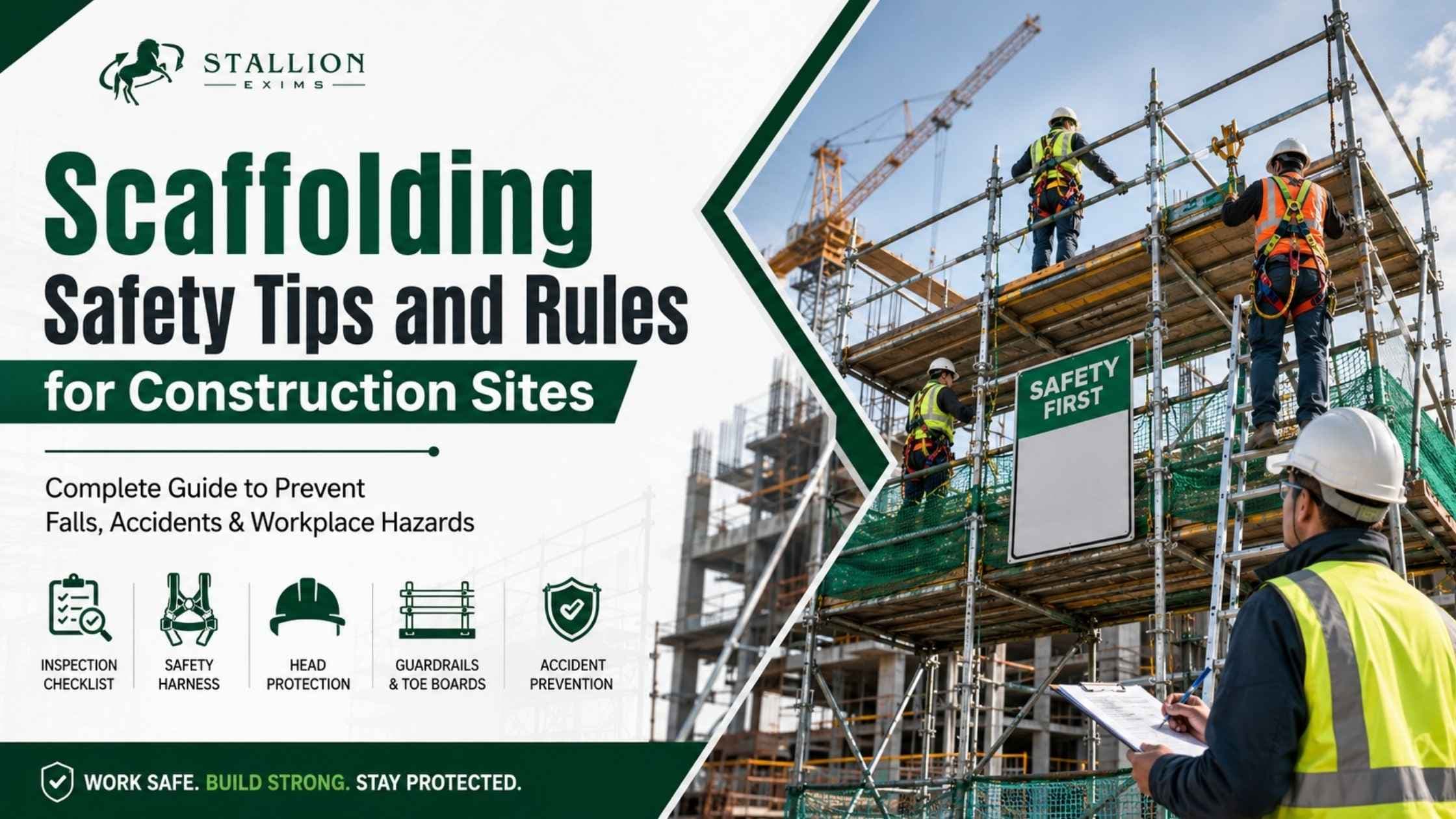
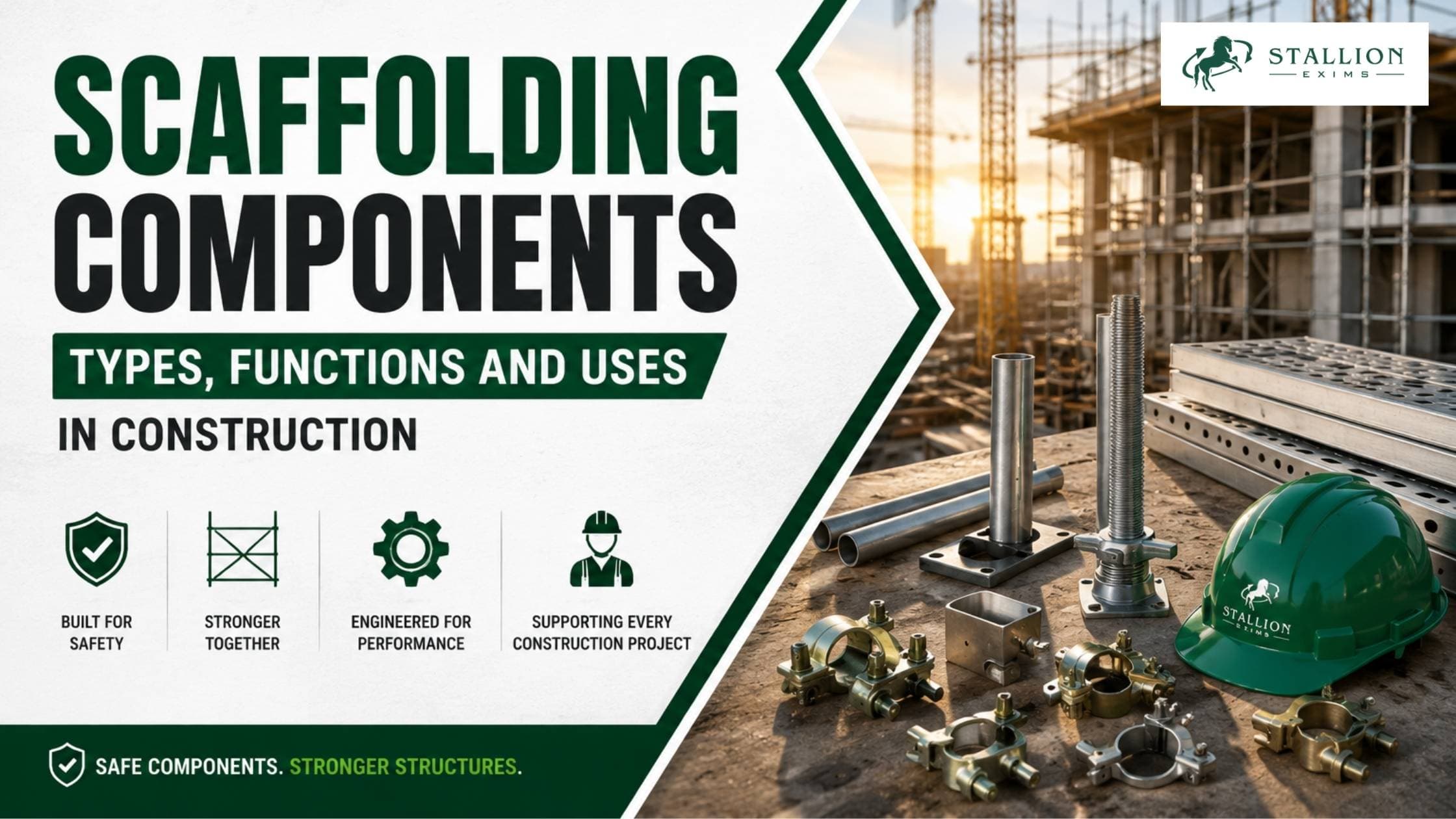
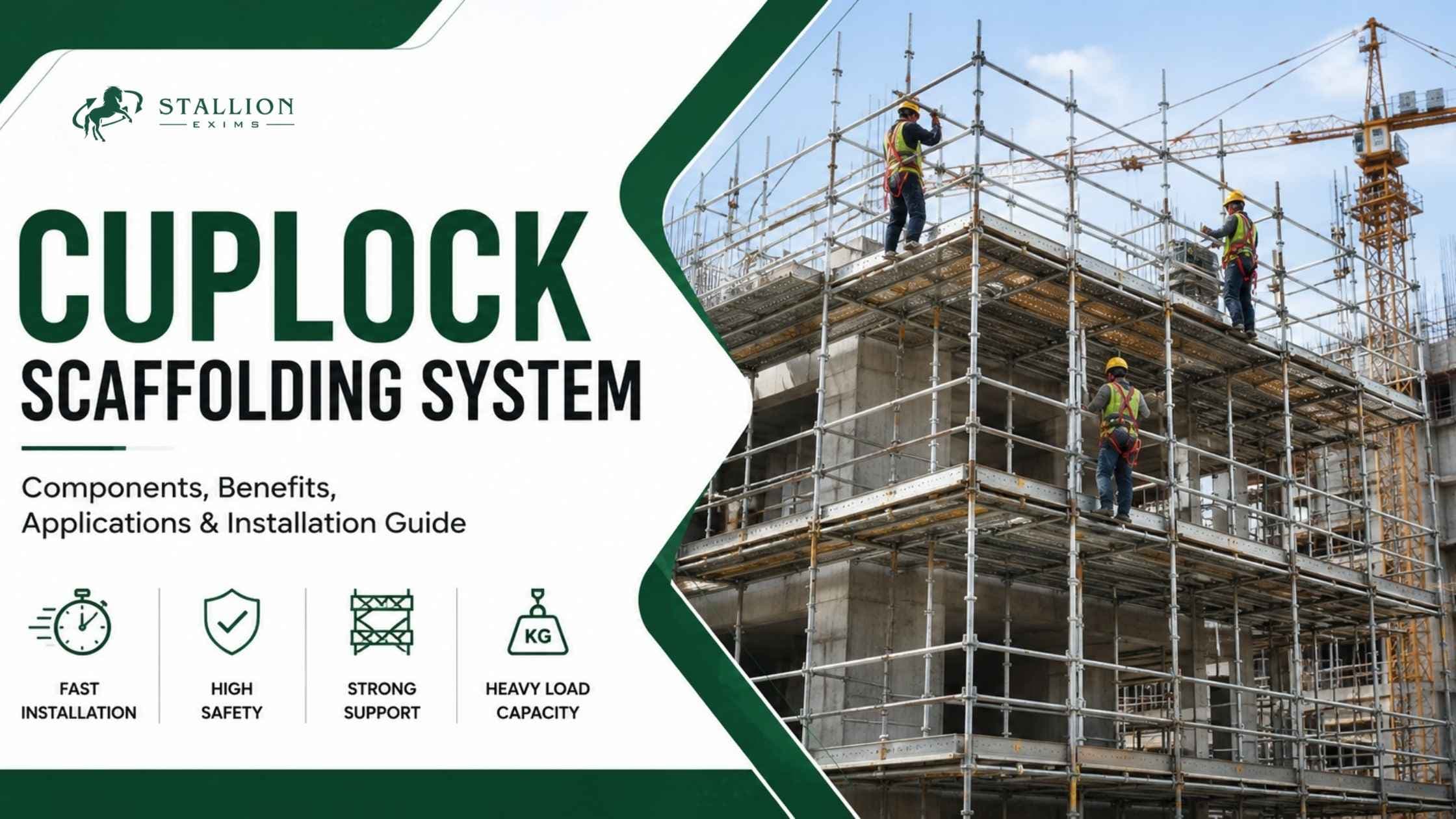
Scaffolding Safety Tips and Rules for Construction Sites: A Complete Guide
Published on 26 June 2026•By Prateek Nahar
Introduction to Scaffolding Safety
Scaffolding is among the most commonly used structures on construction sites. It is used by workers every day to get up high, transport equipment and complete tasks that would be impossible to accomplish from the ground. However, scaffolding is only useful if it is constructed and utilized in the correct way.
A slight oversight in the safety of scaffolding could cause a serious injury, fall, or death. This is the reason every engineer, contractor, and worker must be aware of how to use scaffolding safely before getting onto an elevated platform.
This comprehensive guide on scaffold safety provides everything you need to be aware of. Learn about the most typical scaffolding hazards and safety guidelines, as well as checklists for inspections, along with safety equipment and ways to prevent accidents. The language is simple to ensure that everyone is able to read and follow the instructions without any confusion.
Why Scaffolding Safety is Important in Construction Sites
The safety of construction sites is much on the way scaffolding is controlled. The workers spend a lot of time standing or walking on these structures each day. If the scaffold is not sturdy or overloaded, or is not properly constructed, the risk of a crash is increased rapidly.
Falls from a height are one of the main causes of injuries within the field of construction. A lot of falls occur because of scaffolding that is unsafe, rather than any other cause.
The safety of scaffolding is also a factor in protecting the company. A mishap on the job can cause a shutdown for a few days, raise insurance costs and tarnish the image of the contractor. This can also impact the morale of employees as no one wants to work in a dangerous working environment.
If scaffolding safety rules are properly followed, employees feel secure, work is more efficient and the whole site operates with ease.
Common Scaffolding Hazards and Risks
Before you learn about safety tips It is important to be aware of the potential hazards that could cause a problem. The majority of scaffolding accidents occur because of typical scaffolding hazards that are easily avoided when you are aware of them.
The most frequent dangers are:
A fall from an unguarded edge without safety railing
Insufficient toe boards, which allow objects to slide off
Gaps, loose planks or gappings in platforms
Doing work near power lines
Rain, strong wind or stormy conditions
Scaffolding that is damaged or of poor quality components
Incorrect assembly performed by untrained workers
Each of these risks can be minimized with the right plan, training, and regular examination. Recognizing the danger will be the very first step towards stopping it.
Essential Scaffolding Safety Tips for Workers
Anyone who works on the scaffold must follow basic safety rules for scaffolding. These steps take only some seconds, but they can help prevent major accidents.
Wear a proper helmet a safety harness, and shoes that are not slippy.
Make sure you check the platform prior to stepping onto it.
Never overburden the scaffold beyond its capacity.
Make sure that materials and tools are organised to avoid dispersing them on the platform
Make use of the ladder or a suitable access point. Never attempt to climb up the frame.
Do not work on scaffolding when it is raining heavily or there is a strong winds.
Discuss with your supervisor if you feel something is unsteady
Never take down a guardrail, or toe board without authorization
Make sure the work area is clean so that you do not risk falling
These simple safety tips for scaffolding that are followed every day create a habit of safety in everyone in the group.
Scaffolding Safety Rules Every Worker Must Follow
In addition to the daily routine In addition to daily routines, there are specific scaffold safety guidelines for workers that must never be violated. These rules apply to each job, each project and each worker.
Only competent and trained workers are allowed to erect, modify or remove scaffolding
Scaffolds need to be inspected prior to every shift begins
The maximum load limit should be clearly displayed and followed
Toe boards and guardrails are mandatory above a specific height
A tag system should clearly indicate whether the scaffold is safe to use
Workers should not jump between platforms
Ladders should be properly tied and secured
Stay away from electrical lines
The parts that are weak or damaged should be reported and repaired immediately
Respecting these safety rules for scaffolding is not a choice. These rules are there because actual incidents have occurred before. Regulations were enacted to prevent the same thing from happening again.
Scaffolding Inspection Checklist Before Use
A thorough checklist of inspections for scaffolding must be followed before any worker is allowed to step onto the structure. This simple inspection can spot an issue before it turns into an accident.
Utilize this checklist of scaffolding inspections for each shift:
The foundation and base are steady and level.
Every frame, brace, and cross supports are tightly connected
Platform is fully laid out with no gaps
The guardrails as well as the toe board are installed in a correct manner
Access ladder is safe and in good shape
The locking pins and clips are fully engaged
There is no rust, crack or bent part is visible.
Inspection tag is up-to-date and clearly visible
The sign for capacity is displayed.
The weather condition is assessed prior to beginning work
The scaffolding inspection checklist is just a few minutes, but provides peace of mind for the entire team who work at height.
Proper Use of Scaffolding Safety Equipment
A good scaffolding safety device can be utilized in a proper manner. While having the equipment is enough. The workers should also be aware of how to utilize it properly.
Common scaffolding safety equipment comprises safety harnesses, lanyards as well as hard hats and gloves, non slip boots guardrails, toe boards and debris nets. Each of these items plays a role in preventing falls or injury, or a material dropping.
The harness must be inspected for tear before each use. A hard hat must be snugly fitted and should not move in the course of work. Guardrails should be securely in place and not laid loosely on the frame.
Supervisors must make sure that workers are wearing the equipment in a proper manner and not simply carrying it. Equipment that is left unattended in a bag doesn't provide protection to anyone.
Scaffolding Safety Requirements and Standards
The majority of countries adhere to international standards for safety in scaffolding that provide clear guidelines for design, load capacities and training for workers. Standards such as OSHA scaffolding regulations as well as EN 12811 are frequently used as reference points in the industry of building.
They usually encompass the same fundamental principles. Scaffolds should support at minimum four times the load it is able to be able to carry. Guardrails are required when the platform height exceeds a certain limit. Workers should be educated prior to working on scaffolds.
Respecting the scaffolding safety guidelines is beneficial, even when it's not in the legal requirements. It helps build trust with customers decreases risk of injury and indicates that a contractor is taking security of its workers very seriously.
Safe Scaffolding Practices on Construction Sites
Establishing a safe culture scaffolding practices requires more than a few rules that are written on paper. It requires daily actions from all employees working on site.
A short toolbox talk prior to shift begins can remind workers of the dangers. Supervisors must walk around through the area regularly and assess the scaffold's condition. A clear tagging system informs anyone in a glance if an structure is safe for them to climb.
Only workers who have been trained are allowed to be close to scaffold repair or assembly. Also, cleanliness is important. Clearing the platforms of clutter can reduce the chance of a trip or the risk of falling.
When safe scaffolding practices are an everyday routine instead of a once-off training, the safety of construction sites increases by itself.
Scaffolding Accident Prevention Methods
Safety of scaffolding begins by planning, not reacting. The majority of incidents can trace to an oversight or training that was not completed, or to poor quality equipment.
Every worker should be trained before they even touch the scaffolding. Follow a strict schedule of inspection and do not leave it out of the busy times. Create a work environment where employees are able to disclose a danger without worry.
Selecting a sturdy and certified scaffolding equipment from a reputable manufacturer can also help reduce long-term danger, as weak scaffolding is one of the primary reasons behind many accidents on site.
When inspection, training and high-quality equipment are in sync the prevention of scaffolding accidents becomes a regular thing instead of a one-time effort.
Choose Reliable Scaffolding Solutions from Stallion Exims
Worker safety starts with high-quality scaffolding systems. Stallion Exims offers durable and reliable scaffolding products designed to support safe and efficient construction projects. Explore our range of Cuplock Scaffolding, H Frame Scaffolding, Scaffolding Couplers, Adjustable Base Jacks and other essential components to build a safer work environment.
Browse our scaffolding products today and find the right solution for your next construction project.
Frequently Asked Questions
1. What is scaffolding safety?
Scaffolding safety means the rules, equipment and practices used to protect workers while they build, climb or work on a scaffold structure. It covers everything from proper assembly to daily inspection and correct use of safety gear
2. Why is scaffolding safety important?
Scaffolding safety is important because workers often perform tasks at height where a small mistake can cause a serious fall or injury. Strong safety practices protect workers, reduce project delay and lower the overall cost of accidents.
3. How often should scaffolding be inspected?
Scaffolding should be inspected before each shift, after bad weather, after any modification and at regular intervals set by the project safety plan. Frequent scaffolding inspection helps catch small issues before they turn into major problems.
4. What are common scaffolding hazards?
Common scaffolding hazards include fall from height, falling tools or material, scaffold collapse from overload, weak ground support, missing guardrails and bad weather conditions like strong wind or rain.
5. What are basic scaffolding safety rules?
Basic scaffolding safety rules include using only trained workers for assembly, inspecting scaffold before use, never exceeding the load limit, keeping guardrails and toe boards in place and reporting damage immediately.